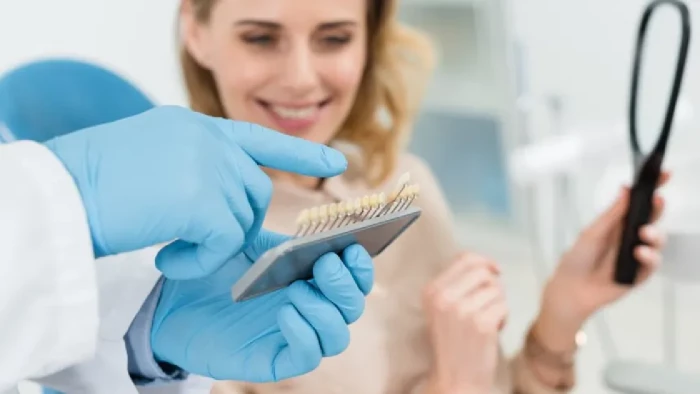
The transition from missing teeth to a permanent and radiant smile is a journey defined by medical precision and biological miracles. For decades dental restoration relied on temporary bridges or removable dentures but the introduction of dental implants has completely revolutionized the field. As we move through 2026 the process has become more streamlined and predictable than ever before. If you are considering this life-changing treatment understanding the stages of the journey is the first step toward reclaiming your confidence. This guide provides an in-depth look at what happens at every stage of the process from the moment you walk into the clinic for your first scan to the final placement of your new tooth.
_1768894650.webp)
International Plus recognizes that a dental implant is not just a prosthetic but it is a sophisticated engineering solution designed to function like a natural root. Modern dentistry has moved away from traditional "open" surgeries toward minimally invasive techniques that prioritize patient comfort and rapid healing. Whether you are replacing a single tooth or undergoing a full mouth reconstruction the step-by-step nature of the procedure remains the gold standard for clinical success.
The foundation of a successful dental implant is a comprehensive diagnostic phase. In 2026 we no longer rely on 2D X-rays to plan surgeries. Instead the process begins with CBCT scanning (Cone Beam Computed Tomography). This advanced imaging technology captures a high-resolution 3D digital twin of your entire oral structure including the jawbone and the nerves and the sinus cavities. Unlike traditional X-rays a CBCT scan allows the surgeon to see the exact width and density of the bone which is critical for ensuring the implant has a solid foundation.
During this initial consultation we utilize AI-supported bone analysis software. This technology can identify areas of the jaw that are strong enough for immediate placement and flag areas that may require reinforcement. Digital treatment planning allows the dental team to perform a "virtual surgery" on a computer screen before you ever enter the operating room. This removes any guesswork and ensures that every anatomical detail is considered. By the end of this appointment you will have a clear roadmap of your treatment including the number of implants needed and the estimated timeline for each stage.
Not every patient has sufficient bone volume to support an implant immediately upon arrival. When a tooth has been missing for a long time the jawbone begins to melt away in a process called resorption. For these patients bone grafting is a necessary pre-surgical requirement. This procedure involves placing specialized bone mineral or synthetic graft material into the area where the bone is thin. Over several months your body replaces the graft with new living bone which creates the necessary depth for the titanium post.
In cases where the upper back teeth are missing the sinus cavity may be too close to the jawbone for safe implant placement. In these situations a sinus lift is performed. This involves gently lifting the sinus membrane and placing bone graft material underneath it. While these procedures add time to the overall journey they are essential for long-term durability. Without a thick and healthy bone structure the implant would not be able to withstand the heavy forces of chewing. In 2026 many grafting materials contain growth factors that accelerate the body’s natural healing response making these preparatory steps more successful than ever.
Once the bone structure is ready the first actual surgical step begins. This is the stage where the titanium post which acts as your new root is placed into the jawbone. At International Plus we prioritize flapless surgery whenever possible. Unlike traditional methods that require large incisions and sutures flapless surgery involves creating a tiny circular opening in the gum tissue. This minimally invasive approach results in significantly less swelling and a much faster recovery period for the patient.
[Image showing the anatomy of a dental implant: post, abutment, and crown]
The placement is guided by a 3D surgical template which is 3D-printed based on your initial digital plan. This guide fits over your teeth and contains precise holes that dictate the exact angle and depth of the implant.
As Dr. Eren from International Plus explains: "Modern implantology is no longer about the doctor's manual guesswork. With 3D digital guides we place the implant at the exact angle and depth pre-determined by AI making the 'Step 1' surgery much faster and virtually pain-free for the patient." This precision ensures that the implant is surrounded by the maximum amount of bone which is the key factor in the long-term survival of the prosthetic.
One of the most common concerns for patients is the fear of pain during the surgery. However modern anesthesia techniques have made dental implant placement a completely painless experience. Most procedures are performed under local anesthesia which numbs the surgical site completely. You will feel pressure but you will not feel any sharp pain. For patients who feel significant anxiety or for those undergoing complex full mouth cases we offer various levels of sedation.
IV sedation and general anesthesia are available for patients who wish to "sleep" through the entire process. Beyond the pharmacological management of pain the use of laser technology and minimally invasive tools reduces the trauma to the surrounding tissues. This means that once the anesthesia wears off the post-operative discomfort is usually comparable to that of a minor tooth extraction. Most patients find that over-the-counter pain medication is sufficient to manage their recovery in the days following Step 1.
After the titanium post is placed a biological miracle called osseointegration begins. This is the most critical phase of the dental implant journey. Titanium is a biocompatible material which means the human body does not reject it. Over a period of 3 to 6 months your jawbone begins to grow directly onto the surface of the implant threads. This creates a functional and structural bond between the living bone and the synthetic post.
During this healing phase the implant becomes a permanent part of your skeleton. It is this bond that gives the dental implant its incredible strength and durability. While you wait for this process to complete you are typically fitted with a temporary tooth so you never have to leave the clinic with a gap in your smile. It is essential to avoid putting excessive pressure on the implant during the first few weeks as the initial bone attachment is delicate. By the end of this phase the implant will be solid enough to support a biting force equivalent to that of a natural tooth.
Once the surgeon confirms that the implant has successfully fused with the bone the second step begins. This involves a minor procedure to attach the abutment. The abutment is the connector piece that sits on top of the implant and emerges through the gum line. Its job is to provide a stable foundation for the final crown.
In many cases a healing collar is placed on the abutment for a few days to help the gum tissue shape itself perfectly around the future tooth. This ensures that the final result looks as if it is growing naturally out of your gums. The placement of the abutment is a very quick and simple step that usually requires only a small amount of local anesthesia. Once the abutment is in place your mouth is ready for the final restorative stage. In 2026 some "immediate load" implants combine Step 1 and Step 2 into a single visit but the multi-stage approach remains the most common for maximizing long-term stability.
With the abutment in place the focus shifts to the artistic side of dentistry. We use intraoral scanning technology to take a 100% accurate digital impression of your mouth. There are no messy or uncomfortable putty molds. This digital file is sent to our in-house laboratory where technicians use CAD/CAM technology to design your final crown.
The customization process involves meticulous color and shape matching. We analyze the shade and translucency of your neighboring teeth to ensure the new tooth blends in seamlessly. Whether you choose a high-strength zirconia crown or an E-max porcelain restoration the goal is aesthetic harmony. Every detail from the way the tooth reflects light to the texture of the surface is carefully crafted to match your natural smile. This digital precision ensures that the crown fits perfectly with your bite which prevents future jaw issues or wear on the opposing teeth.
The final step is the most rewarding part of the entire procedure. This is when your custom-made crown is permanently fixed to the abutment. The dentist will perform various functional tests to ensure that your bite is aligned and that the new tooth feels comfortable when you chew and speak. Depending on the design the crown is either screwed in or cemented onto the abutment.
One of our patients David from Ireland shares: "I was terrified of the procedure but Step 1 was over in 20 minutes. The healing phase went exactly as they described and the final placement of my crown was the most rewarding moment. It looks and feels so natural that I forget which one is the implant!" Once the final tooth is placed you can begin using it immediately. The restoration is designed to look like a tooth but function like a tool which means you can return to eating all your favorite foods without restriction.
The recovery from a dental implant is much faster than most patients expect. During the first 48 hours it is normal to experience minor swelling or bruising around the surgical site. We recommend a soft food diet and the use of cold compresses to keep the swelling down. In 2026 modern care protocols involve the use of specialized antimicrobial rinses to keep the area clean without the need for harsh chemicals.
The full recovery timeline looks like this:
Long-term care is straightforward. You must brush and floss your implant just like your other teeth. While the implant itself cannot get a cavity the surrounding gums can still be affected by gum disease if hygiene is neglected. Regular dental checkups and professional cleanings are the only requirements for keeping your implant in peak condition for a lifetime.
The year 2026 has brought incredible innovations to the field of implantology. The most significant advancement is the use of laser-assisted surgery. Lasers can be used to prepare the gum tissue and even decontaminate the surgical site which significantly reduces the risk of infection and speeds up the body’s natural healing response. Furthermore 3D surgical guides have become the standard of care in every reputable clinic.
These digital guides allow for "micro surgeries" where the physical impact on the body is kept to an absolute minimum. Because we can see the bone in 3D we can often avoid the need for large grafts or invasive procedures. Another innovation is the development of hydrophilic implant surfaces. These are specially treated titanium posts that attract blood and bone cells much faster than traditional implants which can reduce the healing phase from six months down to just eight weeks for qualified patients. These technologies are what allow us to maintain a success rate of nearly 98% in our clinical studies.
Turkey has emerged as a global leader in dental implants because the country has invested heavily in the infrastructure of medical tourism. The standard of care in a premium Turkish clinic is often higher than what you would find in the UK or the USA because of the sheer volume of procedures performed. Turkish dentists are pioneers in using the latest 2026 technologies such as robotic surgery and AI-driven diagnostics.
The success rates for dental implants in Turkey are among the highest in the world. This is due to the combination of expert surgical skill and the use of premium international implant brands like Straumann or Nobel Biocare. When you compare the procedure in Turkey to global standards you will find the same JCI accreditation and sterilization protocols but with a much more personalized and patient-centered approach. Turkey is not just a destination for affordable care but it is a destination for the most advanced dental science currently available.
Choosing a dental clinic in Istanbul means accessing a level of luxury and medical excellence that is rare in Western healthcare systems. Istanbul has become the heart of dental tourism because of its unique "boutique" clinic model. In these centers the patient is not just a number on a chart. Every treatment plan is a collaborative effort between the surgeon and the prosthodontist and the patient.
Clinics like International Plus are equipped with in-house laboratories and the latest digital imaging suites. This means that every stage of your "Step-by-Step" guide happens under one roof. There is no waiting for weeks for parts to be shipped from external labs. This integrated approach not only speeds up the process but it also ensures a much higher level of quality control. The dentists in Istanbul are often world-renowned experts who travel the globe to lecture on the latest implant techniques. When you walk into an Istanbul dental center you are entering a facility that represents the future of global dentistry.
Patients who want to explore reliable clinics, compare treatment protocols, and understand the full dental implant journey often turn to trusted platforms such as internationalplus.net. Access to transparent information about surgical steps, implant technologies, clinic standards, and patient experiences helps international patients make informed decisions with confidence. Independent resources like this play an important role in guiding patients toward clinics that prioritize safety, long-term success, and evidence-based implant dentistry.
The experience of getting teeth implants in Turkey is defined by the all inclusive package model. For an international patient the journey is designed to be as stress-free as possible. We understand that traveling for a medical procedure can be intimidating so we handle every logistical detail from the moment you land.
A typical Teeth Implants Turkey package includes:
By choosing Turkey you are getting more than just a medical procedure because you are getting a full service healthcare experience. You get the world's most advanced dental protocols and the highest quality materials and the luxury of 5 star hospitality. It is this combination of science and service that has made Turkey the number one choice for dental restoration in 2026.
Be the first to post comment!

Introduction: Why Sales Automation Is No Longer OptionalToday’s B2B sales enviro...
Michael Hicklen1 month ago

Image search has quietly become one of the most powerful discovery, research, an...
Michael Hicklen1 month ago

Why Workflow Automation Matters in 2026Automation tools help businesses:● S...
Michael Hicklen1 month ago

1) Foundations :What software review platforms are-Software review platforms are...
Michael Hicklen1 month ago

1. What AI Automation in Daily Work Actually Means?1.1 AI automation in daily wo...
Michael Hicklen1 month ago

1. What Is a CRM?Definition-A CRM (Customer Relationship Management) system...
Michael Hicklen1 month ago