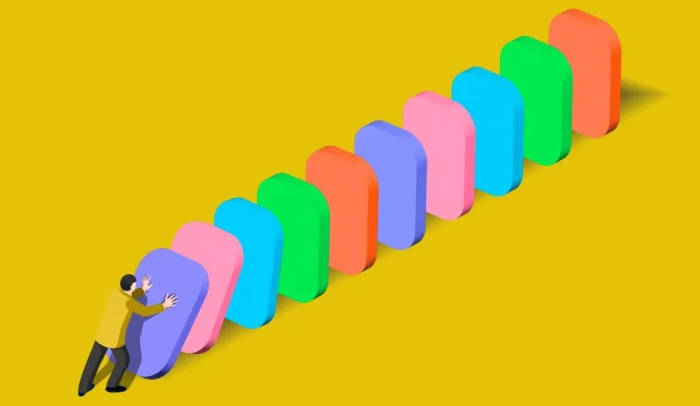
Building a product takes time, effort, and a lot of collaboration. But if you’re trying to get it right, there’s one area that can make a huge difference in how quickly you move from concept to launch: user experience design.
Good UX doesn’t just make things look nice; it actually helps you get products to market faster by keeping the development process smooth and efficient. Below, we’ve compiled the six best ways UX design speeds up development, and why it should be part of your process from the start.
When you get feedback from real users early in the process, it saves everyone a lot of headaches down the road. UX design helps you create prototypes and test ideas long before the product is fully built. This means you can catch any issues before they become bigger problems, saving you time and resources later. Think of it as a shortcut to making better design decisions faster.
A lot of time can be wasted when developers have to guess what the design is supposed to look like or how certain features should work. UX design gives developers clear instructions and mockups, which makes it easier for them to get to work without confusion. With a detailed design in hand, the team can dive straight into building and avoid delays caused by misunderstandings.

When the design team, developers, and product managers all understand the user’s needs and the product goals, everyone works better together. UX design helps make sure everyone is aligned on what the product is supposed to do and who it’s for. This means fewer back-and-forth conversations and quicker decisions. With a shared vision, things get done faster, and the whole team moves in the same direction.
It’s easy to get distracted by shiny features, but UX design keeps things grounded. By focusing on the core functionality that users actually need, UX designers help prevent the product from getting bogged down by unnecessary features. This keeps the development team focused on what’s most important, cutting down on wasted time and effort spent on things that don’t add value.
Prototypes aren’t just pretty mockups; they help you figure out what’s going to work before you build the whole thing. UX designers can create low-fidelity prototypes that let you test and validate ideas early on. If something doesn’t feel right, you catch it in the prototype stage, rather than finding out later when it’s too late. This allows your team to fix small issues before they turn into costly problems.
Once the product is out there, it’s time to keep improving. UX design doesn’t end when the product launches. By tracking how users interact with the product, UX designers can make data-driven updates and tweaks that improve the experience over time. These adjustments are often quicker to implement than large-scale redesigns, so your team can keep refining the product without slowing down.
UX design is more than just about how a product looks—it’s about making sure it works right from the start and continues to improve as it evolves. When UX is baked into the development process, the whole project moves faster, with fewer delays and missteps.
If you want to get your product into users’ hands quicker and with fewer issues, investing in great user experience design is a no-brainer.
Be the first to post comment!
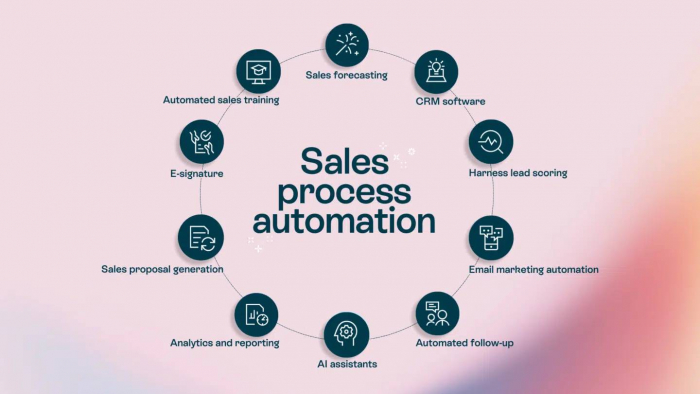
Introduction: Why Sales Automation Is No Longer OptionalToday’s B2B sales enviro...
Michael Hicklen1 month ago

Image search has quietly become one of the most powerful discovery, research, an...
Michael Hicklen1 month ago
Why Workflow Automation Matters in 2026Automation tools help businesses:● S...
Michael Hicklen1 month ago

1) Foundations :What software review platforms are-Software review platforms are...
Michael Hicklen1 month ago

1. What AI Automation in Daily Work Actually Means?1.1 AI automation in daily wo...
Michael Hicklen1 month ago

1. What Is a CRM?Definition-A CRM (Customer Relationship Management) system...
Michael Hicklen1 month ago