
In the United States, accidents are often treated as isolated events. A crash happens. Someone falls. An incident report gets filed. Life is expected to move on. But for millions of Americans each year, the real impact of an injury doesn’t end when the scene clears; it begins afterward.
Medical appointments replace normal routines. Time off work becomes unpaid. Simple tasks take longer, or require help. Personal injury law exists because these consequences don’t fit neatly into insurance checklists or short settlement timelines.

This system isn’t about technical legal arguments. It’s about what happens when an ordinary American’s life is suddenly interrupted by someone else’s mistake.
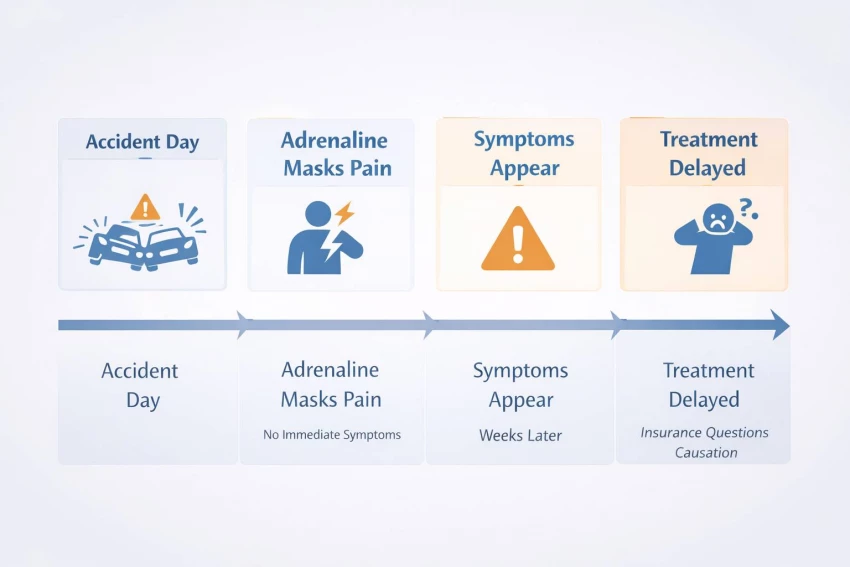
A common response after an accident is to downplay the injury. People worry about missing work, using up sick days, or appearing dramatic. In the U.S., where health insurance and employment are closely tied, many injured individuals try to “push through” pain rather than seek immediate care.
This approach often backfires. Injuries involving the back, neck, joints, or head can worsen gradually. By the time symptoms interfere with daily life, weeks or months may have passed. At that point, insurance companies may question whether the injury was even related to the original incident.
From a legal perspective, this delay can complicate claims, even when the injury is real and documented later.
Insurance companies in the U.S. are not neutral problem-solvers. They operate on risk models, loss ratios, and internal guidelines designed to limit payouts. In fact, data shows that road accidents and related claims remain a significant and complex category of loss for insurers, with millions of crashes reported each year and continuous fluctuations in injury patterns and costs, according to Statista.
Claims are evaluated based on consistency, documentation, and timing, not personal hardship. For example, an injured worker who misses work intermittently due to pain may appear unreliable on paper, even if their condition genuinely fluctuates. Someone who switches doctors may be viewed skeptically, even when referrals or insurance networks necessitated the change. Understanding how insurers interpret behavior—not just injuries, is a critical part of protecting a claim.
Many American injury cases involve shared or disputed responsibility. A slip and fall may involve property owners, management companies, or third-party maintenance contractors. A vehicle collision might include commercial drivers, rideshare companies, or multiple insurance policies.
These cases are rarely resolved by a single police report. They depend on how local courts interpret negligence, foreseeability, and duty of care.
In California communities, where residential, commercial, and public spaces often overlap, local legal experience can shape outcomes. Working with a San Luis Obispo Personal injury lawyer helps injured individuals understand how these cases are typically handled in that region, based on precedent, not assumptions.
Strong personal injury claims in the U.S. aren’t built on volume, they’re built on clarity. Medical records, employment documentation, and personal accounts need to align into a timeline that makes sense.
Judges, adjusters, and juries respond to consistency. When symptoms, treatment, and life changes match, credibility follows. When they don’t, even unintentionally, claims weaken.
This is where many people struggle without guidance. They know their life has changed, but they don’t know how to present that change in a way the legal system recognizes as valid.
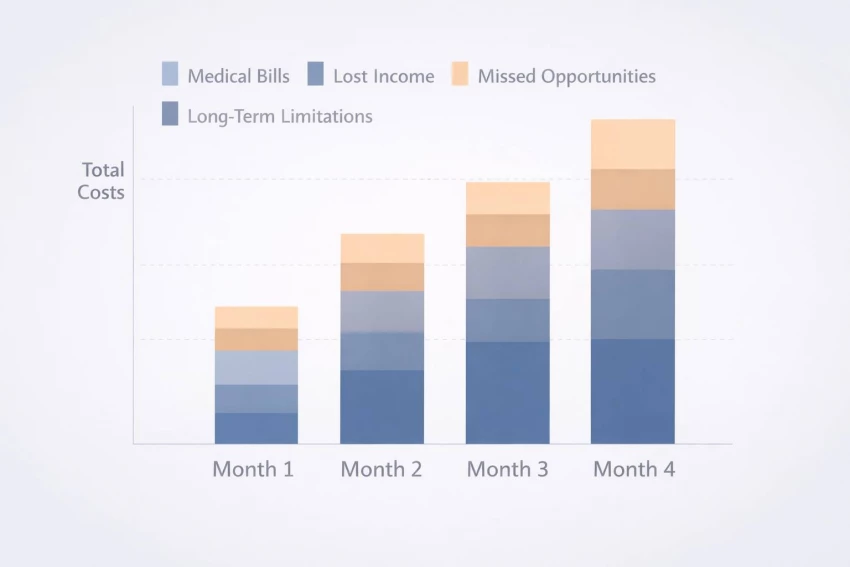
Injury-related costs go far beyond hospital bills. Missed overtime, reduced productivity, lost career opportunities, and long-term limitations often represent the most significant financial losses.
In the U.S. economy, where many households rely on steady income and limited savings, these disruptions can create lasting instability. A well-prepared claim accounts for future implications, not just immediate expenses.
Ignoring this reality often leads to settlements that fail to support long-term recovery.
Injuries don’t occur in isolation. Anxiety about reinjury, loss of independence, and strain on family relationships all influence healing. These effects are increasingly recognized in American courts when properly documented.
Mental health treatment records, therapy notes, and behavioral changes provide insight into how an injury truly altered daily life. When included responsibly, they strengthen claims by showing the full scope of impact.
Most injured Americans aren’t seeking confrontation. They want stability. They want medical care without financial fear. They want clarity about their future.
Personal injury law, when applied correctly, provides structure to uncertainty. It replaces unanswered questions with defined options and realistic expectations—allowing people to focus on recovery rather than constant negotiation.
Accidents are sudden. Consequences are not.
Personal injury law exists because harm unfolds over time, often in ways insurance systems aren’t designed to accommodate. It’s not about assigning blame, it’s about preventing the long-term cost of negligence from falling on the person least able to carry it.
Handled thoughtfully, these cases are not adversarial. They are corrective.
Be the first to post comment!

Introduction: Why Sales Automation Is No Longer OptionalToday’s B2B sales enviro...
Michael Hicklen1 month ago

Image search has quietly become one of the most powerful discovery, research, an...
Michael Hicklen1 month ago

Why Workflow Automation Matters in 2026Automation tools help businesses:● S...
Michael Hicklen1 month ago

1) Foundations :What software review platforms are-Software review platforms are...
Michael Hicklen1 month ago

1. What AI Automation in Daily Work Actually Means?1.1 AI automation in daily wo...
Michael Hicklen1 month ago

1. What Is a CRM?Definition-A CRM (Customer Relationship Management) system...
Michael Hicklen1 month ago