
Most people don’t think about personal injury law until they’re forced to. An accident happens quickly, a car stops short, a wet floor goes unmarked, a delivery truck turns without checking its blind spot. What follows is rarely quick or simple. In fact, accidental deaths and injuries are at an all-time high, and the costs associated with those incidents continue to climb every year according to national safety data shared by Forbes.
In real life, injuries don’t just cause physical pain. They disrupt routines, income, family responsibilities, and mental health. Someone who was fully independent one day may suddenly need help getting dressed, driving, or even sleeping through the night. This is the gap personal injury law is meant to address, not abstract legal theory, but real consequences faced by real people.
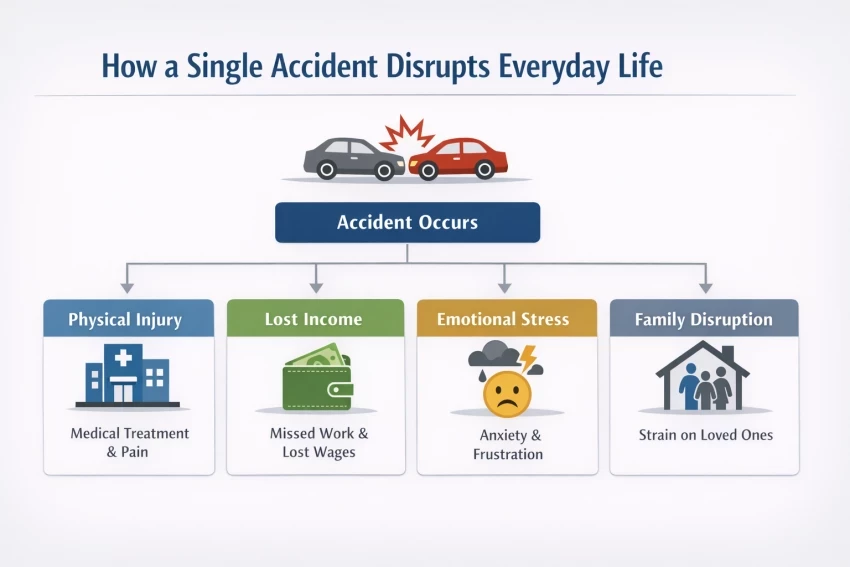
At its foundation, personal injury law exists to answer a simple question: Who should bear the cost when negligence causes harm? Medical treatment, lost wages, long-term therapy, and reduced earning ability are not minor inconveniences. Without a legal framework, those costs often fall unfairly on the injured person.
One of the biggest misconceptions people have after an accident is believing insurance companies will “do the right thing.” In practice, insurers operate on financial incentives, not fairness. Claims adjusters are trained to look for reasons to reduce payouts—downplaying injuries, questioning medical treatment, or encouraging quick settlements before the full impact of an injury is known.
This is especially dangerous in cases involving delayed symptoms. Back injuries, traumatic brain injuries, and soft-tissue damage often worsen over time. Accepting an early settlement may cover an ER visit but leave the injured person responsible for months, or years, of follow-up care.
Real injury cases are rarely about exaggeration. They’re about documentation, timing, and understanding how insurers evaluate risk. Without guidance, many people unknowingly weaken their own claims simply by saying the wrong thing or missing critical deadlines.
Legal help in personal injury cases isn’t about creating conflict, it’s about restoring balance. An experienced attorney understands how injuries affect not just medical records, but daily life. They know how to connect medical opinions, employment impact, and future limitations into a coherent claim that reflects reality.
Consider a common scenario: a rideshare accident involving multiple insurance policies, unclear fault, and a passenger who misses months of work. On paper, it looks complicated. In real life, it’s overwhelming. Navigating these situations without professional help often leads to under-settlement or prolonged disputes.
In regions with heavy traffic, tourism, and commercial activity, local legal insight becomes even more valuable. Working with an Orlando personal injury lawyer can help injured individuals understand how local courts, insurers, and liability rules actually function, not just how they appear on paper.
Strong cases are not built on drama or inflated claims. They are built on consistency, credibility, and evidence. This includes:
Medical records that clearly link injuries to the accident
Timely treatment that shows injuries were taken seriously
Employment documentation proving income loss or work limitations
Witness statements and incident reports that establish fault
Personal accounts explaining how daily life has changed
Judges, insurers, and juries respond to clarity. When the story makes sense and aligns with the evidence, outcomes tend to be more favorable. This is where experience matters—not just legal knowledge, but the ability to translate lived experience into a legally sound narrative.
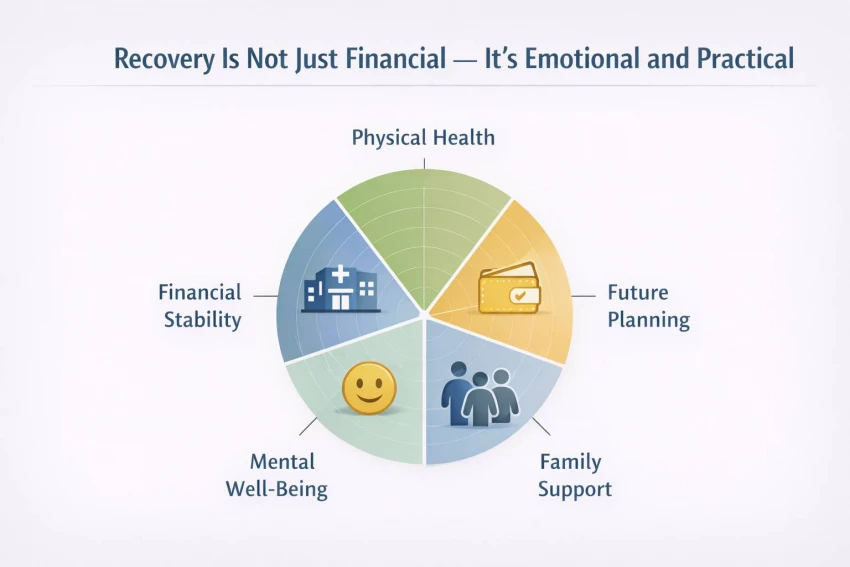
Financial compensation matters, but it isn’t the whole story. Many injury victims describe the legal process as a way to regain control after a situation where control was suddenly taken away. Knowing that medical bills will be covered, future treatment planned for, and lost income acknowledged provides stability during recovery.
Personal injury law, when applied correctly, supports healing rather than prolonging stress. It gives people space to focus on rehabilitation, family, and rebuilding their routines instead of fighting insurers alone.
Accidents are unpredictable. Their consequences shouldn’t be ignored or minimized. Personal injury law exists not to exploit misfortune, but to prevent injured individuals from carrying an unfair burden caused by someone else’s negligence.
When handled with honesty, documentation, and experienced guidance, these cases are not about conflict, they’re about accountability, fairness, and moving forward with dignity.
Be the first to post comment!

Introduction: Why Sales Automation Is No Longer OptionalToday’s B2B sales enviro...
Michael Hicklen1 month ago

Image search has quietly become one of the most powerful discovery, research, an...
Michael Hicklen1 month ago

Why Workflow Automation Matters in 2026Automation tools help businesses:● S...
Michael Hicklen1 month ago

1) Foundations :What software review platforms are-Software review platforms are...
Michael Hicklen1 month ago

1. What AI Automation in Daily Work Actually Means?1.1 AI automation in daily wo...
Michael Hicklen1 month ago

1. What Is a CRM?Definition-A CRM (Customer Relationship Management) system...
Michael Hicklen1 month ago