Tips & Tricks
5 min read
5 Mind Games That Actually Improve Your Decision-Making
We all make hundreds of decisions every day, some big, some tiny, and many without even realizing it. But while instinct and experience guide much of our thinking, what if you could actively train your brain to make sharper, faster, and more strategic choices?
It turns out, you can and not in a boring way. Certain games, especially those that involve risk, pattern recognition, or fast reactions, have been shown to improve real-life decision-making skills. From high-stakes strategy to quick mental math, these games challenge you to think on your feet and get better at it over time.
Research shows that interactive games sharpen focus, pattern recognition, and risk assessment—skills directly transferable to work, finance, and even everyday life. In fact, Statista projects the global gaming market to surpass $270 billion by 2030, partly because games are increasingly seen as tools for learning and brain training, not just entertainment.
Even games like 在这里试玩Aviator 线上老虎机 can engage your brain in surprising ways, testing your ability to read patterns and make snap judgments under pressure.
Here are 5 mind games that don’t just entertain, they sharpen your thinking in real life.
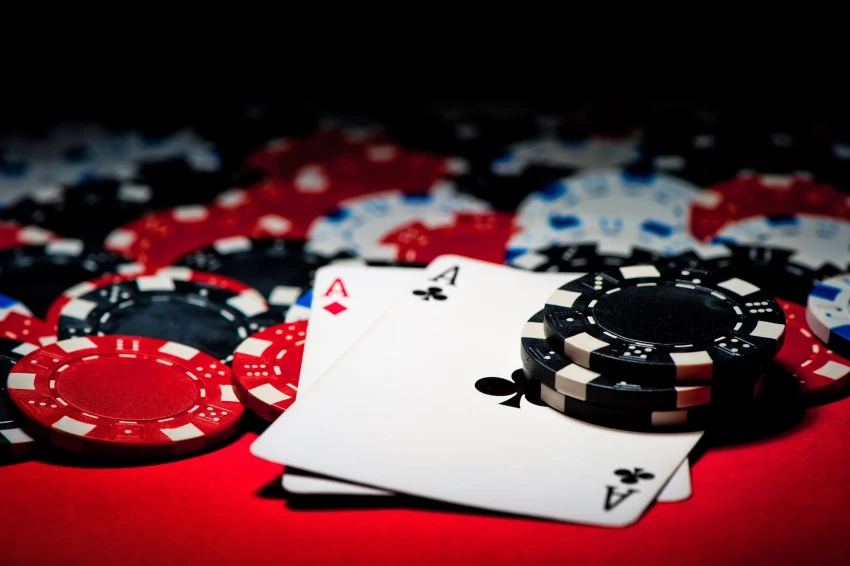
Poker is much more than just a card game; it’s a mental battle where reading your opponents can be just as important as the cards in your hand. Success depends on mastering the art of bluffing, calculating odds, and interpreting subtle cues from other players. This blend of psychology and strategy trains your brain to stay alert and think several moves ahead.
Whether you’re playing a friendly Friday night game or diving into online poker rooms, the game forces you to stay calm under pressure and make decisions based on incomplete information. This constant balancing of risk and reward hones your intuition, sharpens your risk analysis, and strengthens emotional control.
For those interested in sharpening their decision-making skills further, exploring different online games can help. For example, browsing through a 免费老虎机的完整列表在SlotsUp ZH offers a variety of slot games that challenge pattern recognition and quick thinking, complementing the strategic depth poker provides.
This is why many leaders credit poker with improving negotiation skills. As Forbes notes in its look at gaming’s evolution, even casual play is becoming a recognized training ground for decision-makers.
Chess is a timeless classic that revolves around strategy, planning, and anticipation. Every move on the board requires thinking several steps ahead, considering how your opponent might respond, and what the long-term consequences could be.
Playing chess trains your brain to focus deeply and develop long-term thinking skills. It pushes you to plan different scenarios and weigh your options carefully before making a decision.
Much like navigating office politics, every move in chess demands you ask: What happens next? This kind of thinking helps improve concentration and sharpens your ability to foresee outcomes, skills that are valuable both in the game and in real life.
Blackjack is a game where quick risk assessment and probability calculation are key. Players constantly decide whether to hit, stand, or double down, often in just seconds. This fast-paced decision-making sharpens your arithmetic skills and teaches impulse control.
You don’t have to be Rain Man to benefit from basic blackjack logic. Even simple strategies can improve how you weigh risks and rewards under pressure.
Some casual players say regular rounds of online blackjack have improved how they estimate risk in real life, from budgeting to negotiating, making it more than just a game of chance.
Games like Starcraft, Civilization, and Age of Empires demand constant multitasking and quick prioritization. Players must manage resources, build armies, and adapt strategies on the fly as the situation changes.
This kind of gameplay puts your brain to work handling multiple tasks simultaneously and making fast decisions based on shifting conditions. It’s a great way to improve focus and flexibility.
Strategy gamers constantly assess incomplete information, just like in real life, learning to adapt and rethink plans when new challenges arise.

Sudoku and other brain teasers are quieter, low-key ways to train your mind. Unlike fast-paced games, they focus on logic, attention to detail, and following step-by-step reasoning.
These puzzles help improve your ability to recognize patterns and think systematically. They also boost concentration by encouraging you to work patiently through challenges.
As a calm contrast to the more dynamic games on this list, Sudoku offers a mental workout that sharpens your thinking without any rush or pressure, perfect for steady, focused practice.
Decision-making is like a muscle—the more you challenge it, the stronger it grows. Poker hones risk-taking, chess builds foresight, blackjack sharpens probability, strategy games train adaptability, and Sudoku fine-tunes pattern recognition.
As highlighted in its analysis of online gaming marketplaces, the gaming world isn’t just about fun anymore—it’s an ecosystem of tools that influence how we think, learn, and decide.
So next time you shuffle cards, move a knight, or solve a Sudoku, remember: you’re not just playing—you’re training your brain for better choices in life.
Be the first to post comment!

Introduction: Why Sales Automation Is No Longer OptionalToday’s B2B sales enviro...
Michael Hicklen1 month ago

Image search has quietly become one of the most powerful discovery, research, an...
Michael Hicklen1 month ago
Why Workflow Automation Matters in 2026Automation tools help businesses:● S...
Michael Hicklen1 month ago

1) Foundations :What software review platforms are-Software review platforms are...
Michael Hicklen1 month ago
1. What AI Automation in Daily Work Actually Means?1.1 AI automation in daily wo...
Michael Hicklen1 month ago
1. What Is a CRM?Definition-A CRM (Customer Relationship Management) system...
Michael Hicklen1 month ago