
Businesses face decisions regarding outdated or surplus technology. High-performance routers, while sometimes replaced due to newer models, retain significant value. Instead of discarding these devices, companies can explore options that maximize returns and reduce unnecessary waste.
When organizations choose to sell networking equipment, they gain financial recovery while allowing other entities to utilize reliable technology. This approach reduces environmental impact and also strengthens operational efficiency across various sectors. The following discussion explores the benefits, strategic advantages, and practical considerations associated with selling high-performance routers rather than discarding them.
Organizations can expand their infrastructure efficiently by acquiring resold routers. Secondary users gain access to high-quality technology without investing in brand-new hardware. Businesses expanding regional offices, remote sites, or temporary networks benefit significantly from affordable high-performance routers.
These devices provide more features than immediate requirements, offering room for future growth. Companies acquiring pre-owned equipment can implement advanced network strategies without incurring substantial upfront costs. This creates a win-win scenario original owners recover their investment, and buyers obtain powerful infrastructure.
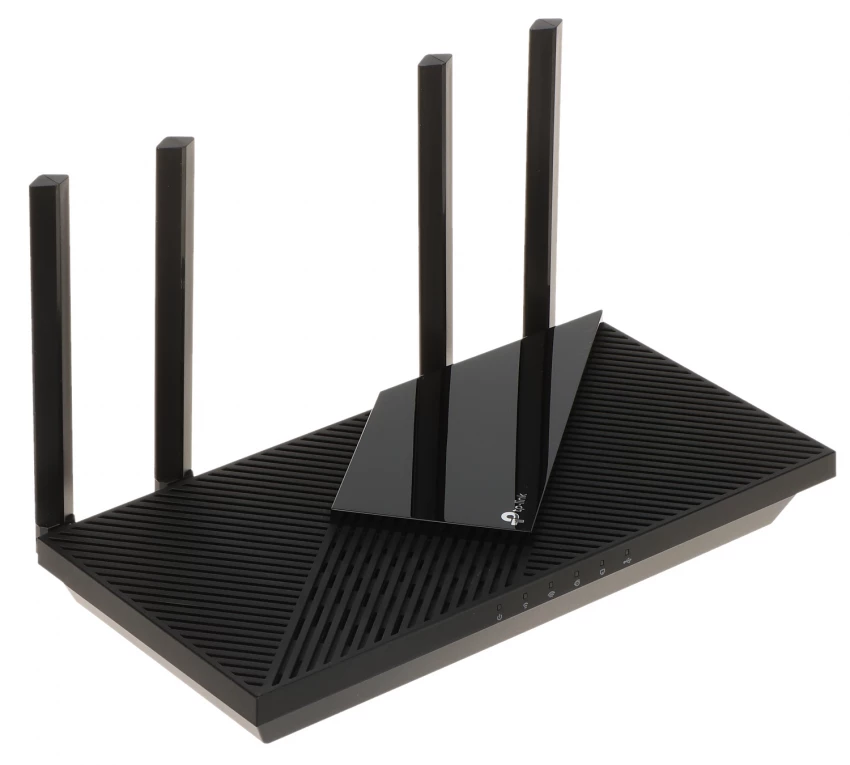
The demand for reliable network hardware continues to rise across sectors such as education, healthcare, and small-scale enterprises. High-performance routers serve as essential tools in maintaining connectivity and operational continuity. Secondary markets thrive because the technology meets critical standards even after primary use.
Organizations can redirect resources toward newer innovations while their older equipment continues to provide value elsewhere. This flow extends the lifecycle of devices, ensuring that technological investments yield long-term benefits. Market trends indicate that smart redistribution of networking hardware will remain a sustainable practice for years.
When businesses sell routers, security remains a paramount concern. Comprehensive data erasure and configuration resets prevent sensitive information from being exposed. Certified processes for data sanitization ensure compliance with regulations and limit potential liabilities.
Organizations follow checklists to confirm device readiness before transfer, including firmware updates and operational verification. Buyers receive equipment that functions reliably without compromising safety standards. This controlled approach fosters trust and encourages more companies to participate in technology redistribution.
High-performance routers provide significant cost advantages when redistributed rather than discarded. Businesses save on disposal fees while recovering part of their initial investment. Buyers gain access to advanced technology at a fraction of the price of new equipment.
Maintaining older devices in active use reduces the need for immediate capital expenditure. This approach allows companies to allocate financial resources toward other strategic initiatives. The efficient management of existing hardware enhances economic and operational outcomes.
Companies can gain a competitive edge by offering pre-owned high-performance routers to niche markets. Smaller businesses, startups, and educational institutions often seek affordable yet reliable networking solutions. Selling surplus equipment allows organizations to tap into these demand pockets while maximizing asset utilization.
Transparent documentation of device specifications and performance builds buyer confidence. Strategic pricing and targeted outreach can further enhance market reach and profitability. Utilizing secondary markets turns surplus technology into a meaningful business opportunity.
High-performance routers provide multiple advantages when businesses choose to sell them rather than scrap them. Businesses can extend the lifecycle of valuable technology while supporting smaller enterprises that require advanced networking solutions. Choosing to sell networking equipment enables a practical, responsible approach to managing technological assets and future-proofing network investments. This strategy ensures that financial and environmental goals are achieved without compromising operational efficiency.
Be the first to post comment!

Introduction: Why Sales Automation Is No Longer OptionalToday’s B2B sales enviro...
Michael Hicklen1 month ago

Image search has quietly become one of the most powerful discovery, research, an...
Michael Hicklen1 month ago
Why Workflow Automation Matters in 2026Automation tools help businesses:● S...
Michael Hicklen1 month ago

1) Foundations :What software review platforms are-Software review platforms are...
Michael Hicklen1 month ago

1. What AI Automation in Daily Work Actually Means?1.1 AI automation in daily wo...
Michael Hicklen1 month ago

1. What Is a CRM?Definition-A CRM (Customer Relationship Management) system...
Michael Hicklen1 month ago