
The global Legal Entity Identifier (LEI) database provides accurate identification details for registered organizations. It serves as a trusted source for regulatory bodies, financial firms, and data professionals. Verified information helps reduce confusion during research or reporting. This database offers clarity in legal entity verification. Users benefit from fast searches and clean records. Start exploring the database to simplify the entity research.
Access the global LEI database to retrieve official reference data for verified legal entities. Each entry connects to structured records. Details include the Entity Legal Name, registration number, and legal status. These records come from certified Local Operating Units. Verification becomes easier when accurate data is available in one place.
Manual searches no longer delay compliance or onboarding. Reports reflect real entities without mismatched profiles. The structure of this system supports clear and fast decision-making. Legal teams use this data during preliminary reviews of counterparties before forming agreements.

Live updates reveal changes in entity information without delay. Each update provides insight into ownership, structure, or jurisdiction. Users stay informed without depending on outside summaries. Financial reviews improve when current data is accessible.
Reports remain accurate during audits or internal checks. Transparency increases trust between institutions and clients. Every detail is visible and verified. This visibility supports timely decision-making for firms reviewing large volumes of financial profiles.
International operations benefit from standard formats. Each record follows a consistent global framework. Local terms or naming patterns no longer interfere with documentation. Multinational firms gain access to unified records. Legal documents stay aligned across offices or regions.
Delays are reduced during verification or data exchange. Users avoid translation issues and fragmented records. Standardized data simplifies internal reconciliation when managing multi-entity portfolios. Unified formats support clear oversight of global entity structures.
Each LEI belongs to one legal entity only. Duplicate records cannot exist in the system. This supports Golden Record Management across integrated platforms. Data quality improves when each entity appears once. Businesses rely on clean profiles during analysis.
Mismatches no longer require manual correction. Systems work better when duplicate entries are removed. This clarity supports risk teams in identifying exact legal entities across transaction records. Internal audit teams use this consistency to trace source records without redundant reviews.
Verified records support compliance checks with fewer steps. Each entry contains the current legal status and identification. Teams can complete audits or reports faster. Level 2 Data provides clarity into direct and ultimate parent relationships.
This improves organizational insight during due diligence. Verified sources reduce barriers in regulatory checks. Accuracy remains consistent from one record to the next. Compliance staff reduce time spent resolving identity errors across reporting workflows.
Professionals seeking fast, clear verification of legal entities should access the global LEI database. The structure, accuracy, and reliability of this system support better decisions at every level. Explore the database now to gain the clarity and consistency the operations need. Clean records lead to smoother operations and fewer delays. Verified data allows teams to act with precision across every point of review.
Be the first to post comment!
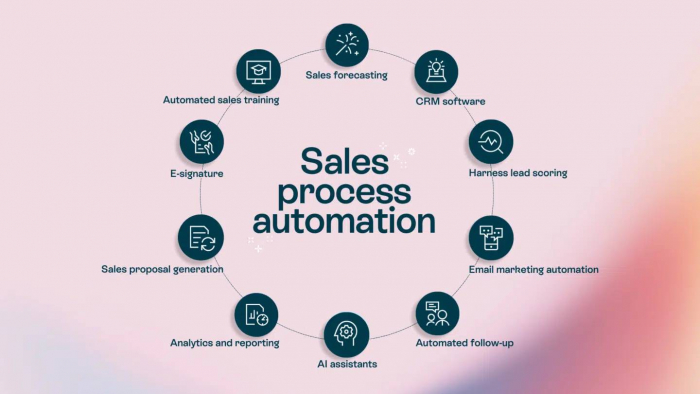
Introduction: Why Sales Automation Is No Longer OptionalToday’s B2B sales enviro...
Michael Hicklen1 month ago

Image search has quietly become one of the most powerful discovery, research, an...
Michael Hicklen1 month ago
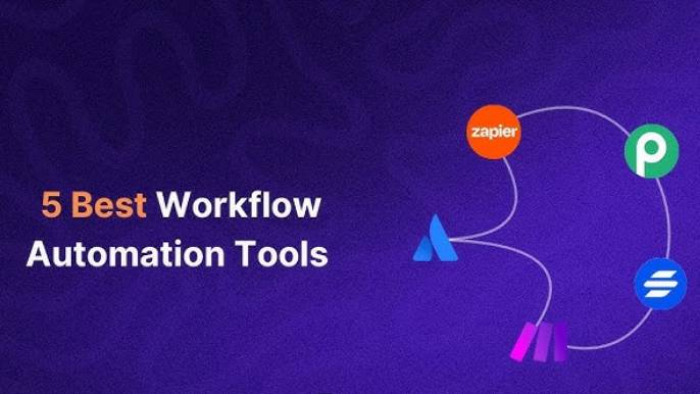
Why Workflow Automation Matters in 2026Automation tools help businesses:● S...
Michael Hicklen1 month ago
1) Foundations :What software review platforms are-Software review platforms are...
Michael Hicklen1 month ago
1. What AI Automation in Daily Work Actually Means?1.1 AI automation in daily wo...
Michael Hicklen1 month ago
1. What Is a CRM?Definition-A CRM (Customer Relationship Management) system...
Michael Hicklen1 month ago